

In the summer, your horse is on the front lines of an ongoing war against flies. Fortunately, nature has equipped him for the fight. So, in addition to stocking up on repellents, fly masks and other insect control products this season, focus on maximizing your horse’s ?built-in? protections.Start with his mane and tail, which are designed to protect sensitive skin from insects. A long forelock, for example, whisks pests away from his eyes with a toss of the head. Let your horse’s ?bangs? grow out this summer to make the most of this function. Likewise, a tangle-free tail will combat flies more efficiently than a braided one, so clean and comb this natural fly swatter regularly and minimize the use of tail bags and wraps that inhibit its movement. You?ll also want to set the clippers aside and let the protective hair on your horse’s fetlocks, muzzle, eyes and ears grow longer.

Keep in mind that a good covering of dust or mud is an effective barrier against insects. As much as it may hurt to see your grooming efforts erased, provide your horse with a safe and comfortable ?dirty? area, where he can stop, drop and roll.
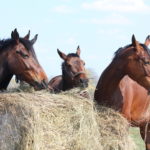
Horses will often buddy up to keep away flies in summer. Turn your horse out with a friendly companion?one he feels comfortable standing head-to-tail with?so they can swish flies from each other?s faces.
Of course, you’ll still need to help out with fly spray, fly masks, sheets and wraps?as well as good barn management to keep pests under control?but augmenting your horse’s natural pest control features will make your efforts that much more effective.